
[ad_1]
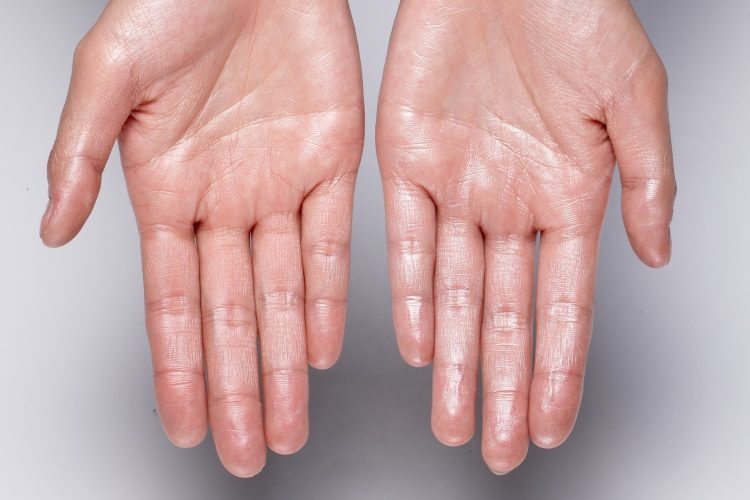
Some people suffer from a rare health condition called hypohidrosis, which prevents them from sweating.
While this may seem like a blessing to some, it can be life-threatening and life-threatening.
Sweating is important. This is how your body cools down when it overheats and reaches a steady temperature.
This condition often affects some small areas of the body and may not even be noticeable, but it is more severe when it affects your entire body.
AgroWeb.org in this article introduces you to its causes and symptoms.
Causes
Skin diseases like psoriasis, which block sweat ducts, are the most common cause of lack of sweating.
Other factors may be:
Skin injuries from burns or radiation therapy
Damage to the sweat glands by surgery or various injuries
Some genetic and autoimmune diseases
Parkinson’s disease, stroke and other diseases affecting the central nervous system
Dehydration
Also some medications that can cause anhydrosis include opioids, depression medications, antihistamines and so on.
Experts say they do not know exactly how common this is because many cases are mild and unreported.
Symptoms
If you do not sweat, it is likely to be more noticeable in hot weather while you are exercising or in cases where you are supposed to sweat.
It is also possible to have hypohydrosis on only one part of the body, such as the face.
Some other symptoms may be:
Feeling of redness, heat and dizziness
Muscle cramps or weakness
Signs of heat exhaustion, both mixed and rapid pulse
treatment
Hyphidrosis that affects only small parts of your body may not need treatment.
But if it is generalized the treatment often depends on what causes it, in order to determine the treatment as well.
If caused by a medication, your doctor will likely change the dose or medication completely.
If it is related to an uncontrolled disease like diabetes, your doctor may suggest a stricter diet or additional medications.
If it is related to thyroid disease, medications can help.
If no cause is found and you have a mild case, your doctor may suggest that you avoid activities that put you at risk, such as:
Avoid hot environments and stay indoors on hot days
Wear loose-fitting clothes and a hat
Keep a water sprayer to cool yourself during hot days
Stay hydrated
Although for most this is not something to worry about, when it starts to affect the body’s ability to regulate temperature, proper treatment is definitely needed./AgroWeb.org
top channel
[ad_2]
Source link


